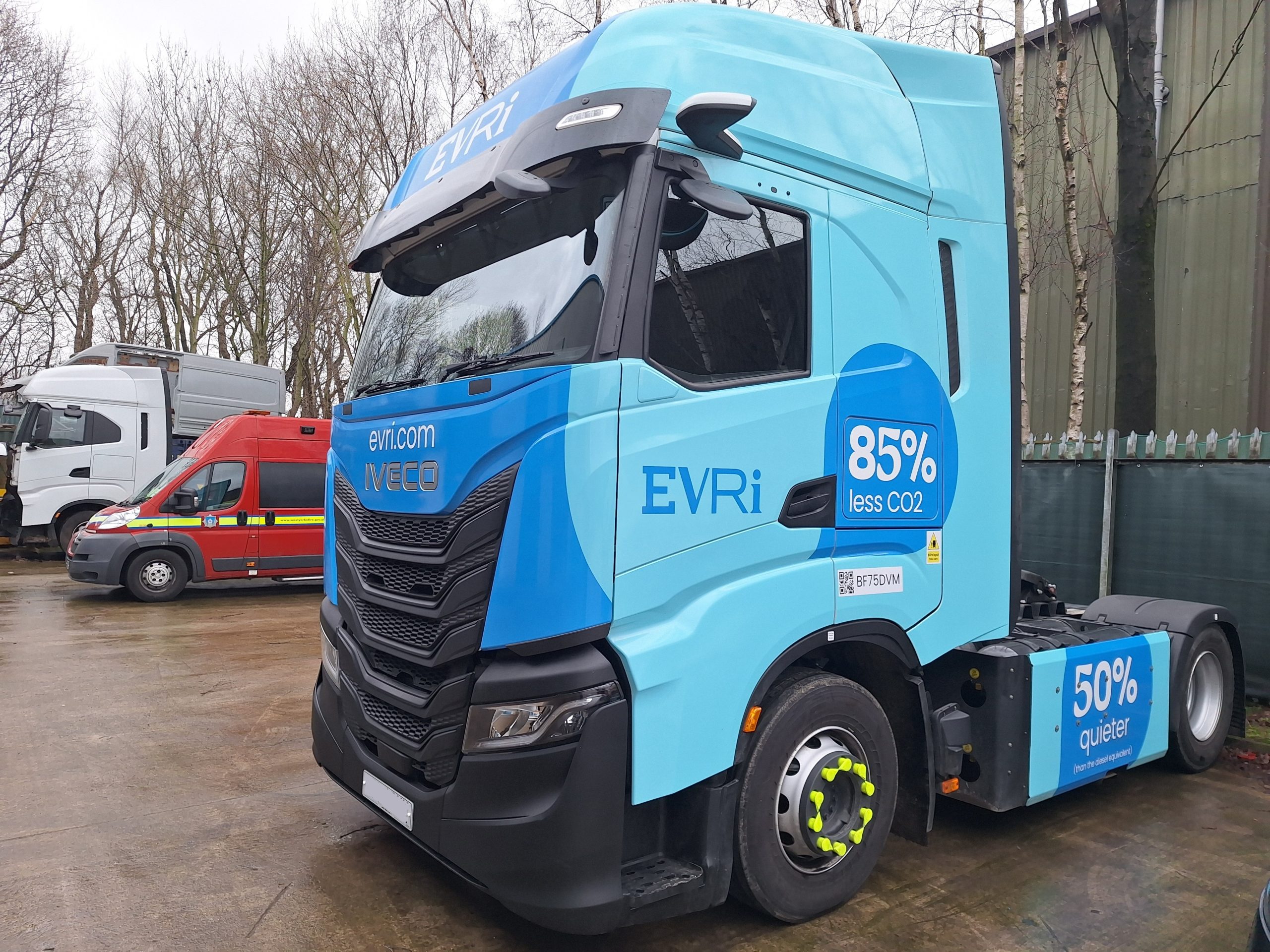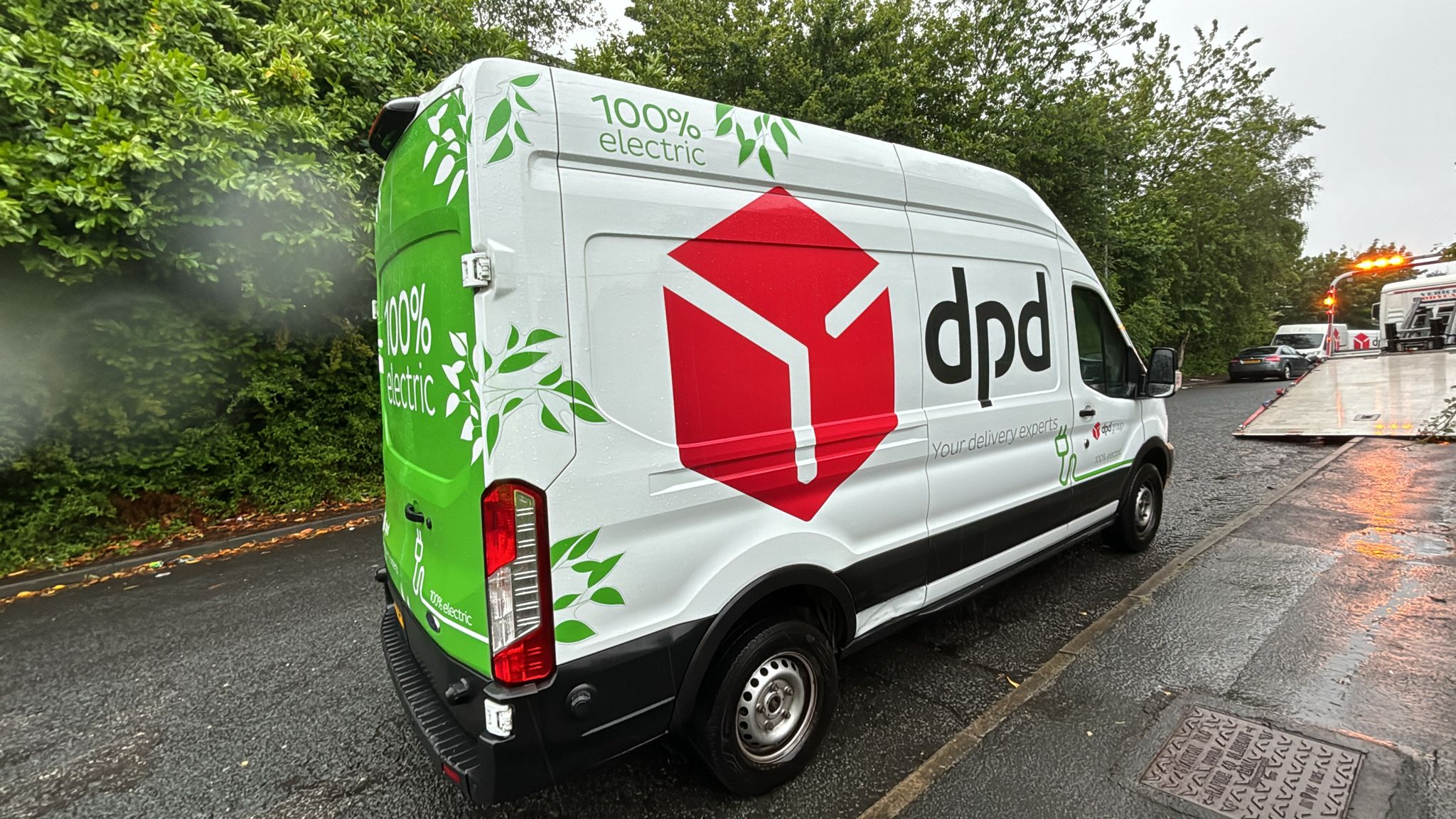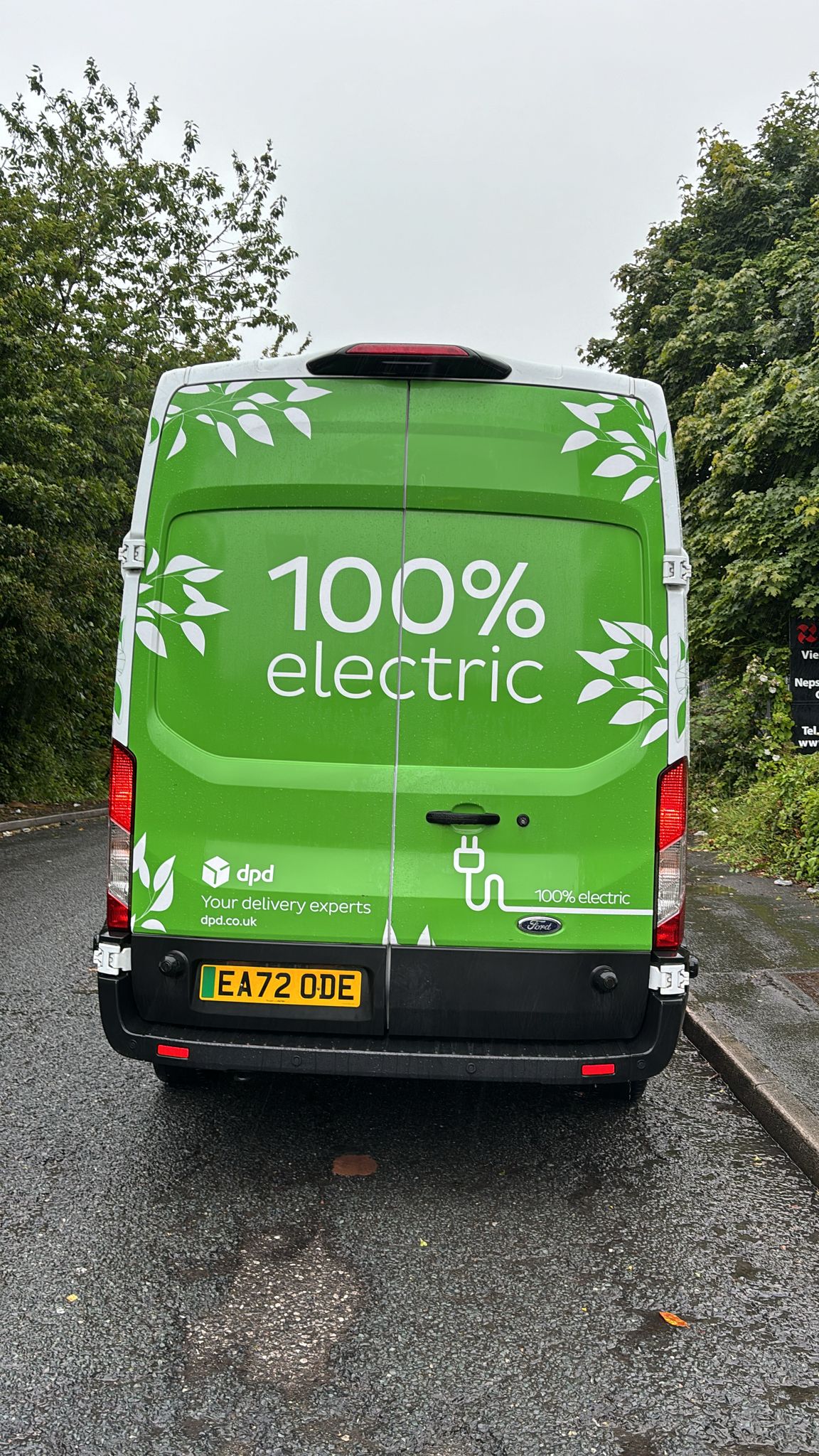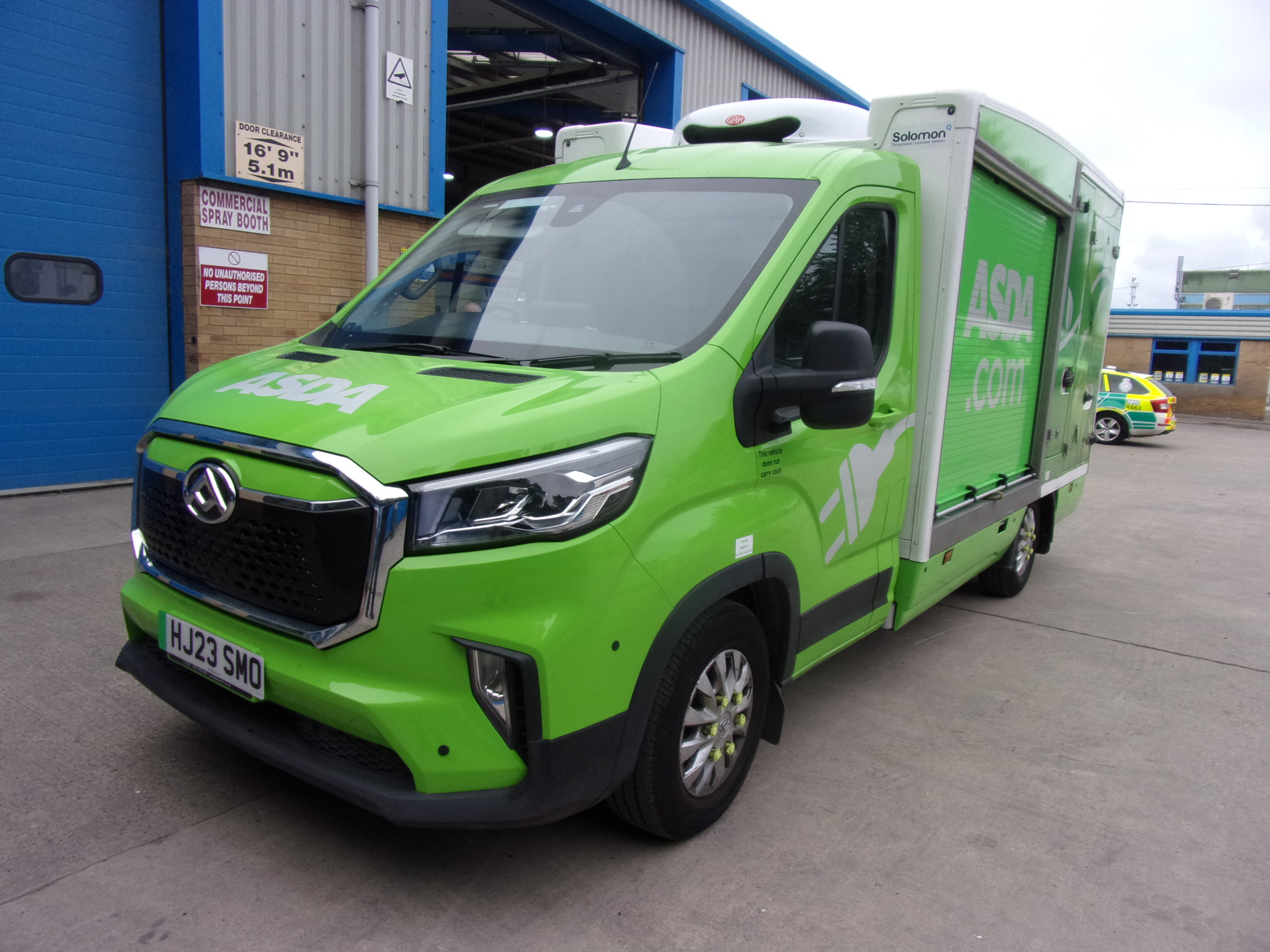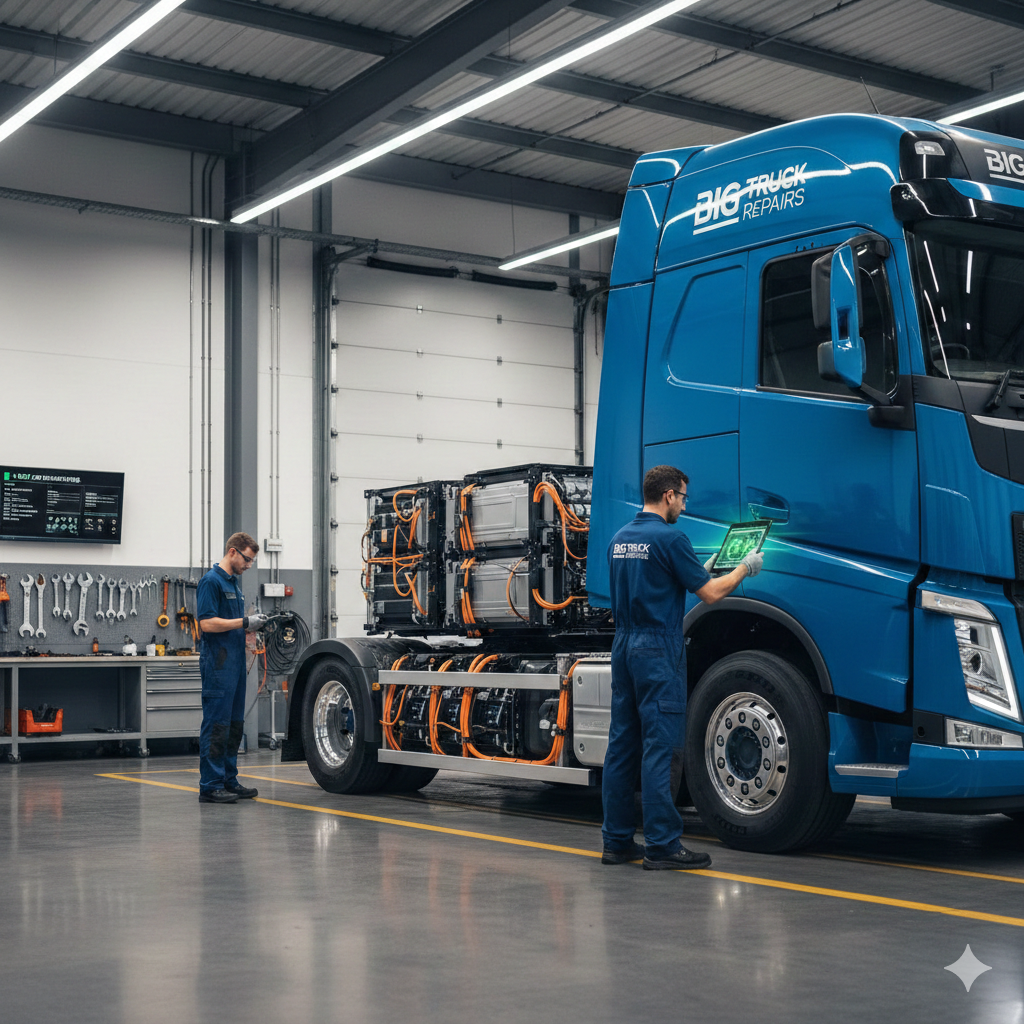
The shift toward electric heavy goods vehicles (eHGVs) is no longer a “someday” conversation for UK logistics—it’s happening right now. While moving away from diesel offers incredible benefits for your carbon footprint and fuel costs, it also fundamentally changes how you think about fleet maintenance and repairs.
At BigTruckRepairs.co.uk, we’re staying ahead of the curve so your fleet doesn’t get left behind. Here is what you need to know about the transition to electric truck servicing.
What Changes When You Go Electric?
Transitioning to an electric fleet doesn’t just mean swapping fuel pumps for charging points; it means shifting your maintenance focus from mechanical combustion to high-voltage electronics and thermal management.
Fewer Moving Parts: Forget about oil changes, spark plugs, timing belts, and exhaust systems. An electric motor has a fraction of the moving parts of an internal combustion engine (ICE).
Brake Longevity: Thanks to regenerative braking, electric trucks use their motors to slow down, drastically reducing wear and tear on traditional brake pads and discs.
Specialised Tyres: Electric trucks are often heavier due to battery weight and produce instant torque. This means you’ll need tyres designed for higher load ratings and better grip to prevent premature wear.
The New Priorities: Battery & Software
In the world of eHGVs, the “engine diagnostic” has evolved. Modern repair shops must now prioritise:
Battery Health Monitoring: Ensuring the State of Health (SoH) of your battery packs remains optimal to protect your vehicle’s resale value.
Thermal Management Systems: Electric trucks rely on complex cooling systems to keep batteries at the right temperature. A failure here can lead to significant downtime.
Software Updates: Much like your smartphone, an electric truck’s performance can often be improved or repaired via firmware updates rather than a wrench.
The Big Question: Are You Ready for the High-Voltage Shift?
Safety is the biggest differentiator. Repairing a commercial electric truck requires Level 3 or 4 High Voltage (HV) certification. You can’t just send an eHGV to a standard diesel workshop; you need technicians who know how to safely depower the system and work around 400V to 800V architectures.
| Feature | Traditional Diesel | Commercial Electric |
| Routine Service | Oil, Filters, Belts | Coolant, Software, HV Cables |
| Brake Wear | Frequent replacement | Extended intervals (Regen) |
| Complexity | High Mechanical | High Electrical/Software |
| Training | Standard Mechanical | Specialized HV Certification |
Partner with the Experts at Big Truck Repairs
Transitioning your fleet is a massive investment. Don’t let a lack of specialized maintenance become your biggest bottleneck. Whether you are running a single electric van or a fleet of 44-tonne eHGVs, BigTruckRepairs.co.uk is equipped to keep you on the road.